Open floor plans have become a defining feature of modern American homes. By removing unnecessary walls and creating seamless transitions between spaces, homeowners can enjoy better flow, more natural light, and a spacious feel.
In this in-depth SEO guide, you’ll discover the best open floor plan design ideas in American homes, along with expert tips, benefits, and common mistakes to avoid.
What is an Open Floor Plan
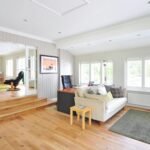
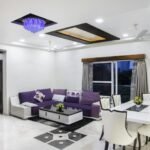
An open floor plan is a layout where two or more traditional rooms are combined into one large, connected space. Most commonly, this includes:
- Living room
- Dining area
- Kitchen
Instead of walls, these areas are visually separated using furniture, lighting, or decor.
Why Open Floor Plans Are Popular in the USA
Open layouts have gained popularity due to modern lifestyle changes:
- Encourages social interaction
- Maximizes natural light
- Makes homes feel larger
- Ideal for entertaining guests
- Enhances property value
Many new homes in the U.S. are designed with open concepts as a standard feature.
Key Elements of Open Floor Plan Design
1. Seamless Layout Flow
The goal is to create a smooth transition between spaces.
Tips:
- Avoid visual clutter
- Keep pathways clear
- Maintain consistent design elements
A well-planned layout improves both functionality and aesthetics.
2. Consistent Flooring
Using the same flooring throughout the space creates unity.
Best options:
- Hardwood
- Luxury vinyl plank
- Tile (in warmer climates)
Consistent flooring visually connects different areas.
3. Unified Color Palette
A cohesive color scheme ties the entire space together.
Ideas:
- Neutral base colors (white, beige, gray)
- Accent colors through decor
Avoid drastic color changes between areas.
4. Strategic Furniture Placement
Furniture acts as a natural divider in open spaces.
Examples:
- Sofa separating living and dining areas
- Kitchen island defining the kitchen zone
- Rugs to anchor each section
This creates structure without walls.
5. Statement Kitchen Island
The kitchen island is often the centerpiece of an open floor plan.
Benefits:
- Extra seating
- Storage space
- Visual separation
It enhances both function and design.
6. Layered Lighting Design
Lighting helps define different zones.
Types:
- Pendant lights over the island
- Chandeliers in dining areas
- Recessed lighting in living spaces
Proper lighting adds depth and clarity.
7. Use of Area Rugs
Rugs help visually separate spaces.
Placement ideas:
- Under the sofa set
- Beneath the dining table
They create defined zones while maintaining openness.
8. Multi-Functional Spaces
Open layouts allow spaces to serve multiple purposes.
Examples:
- Dining area doubling as workspace
- Living room with reading corner
Flexibility is a key advantage.
9. Maximize Natural Light
Natural light is essential in open designs.
Tips:
- Use large windows
- Avoid heavy curtains
- Add mirrors to reflect light
Bright spaces feel more open and inviting.
10. Minimalist Approach
Less is more in open layouts.
Focus on:
- Clean lines
- Limited decor
- Functional furniture
Minimalism prevents the space from feeling cluttered.
Open Floor Plan Ideas by Area
Living Room
- Use a sectional sofa to define the space
- Add a focal point like a TV unit or fireplace
- Keep decor simple and balanced
Kitchen
- Install an island or breakfast bar
- Use open shelving for a modern look
- Keep countertops clutter-free
Dining Area
- Place a statement dining table
- Use pendant lighting above
- Keep it aligned with the overall design
Open Floor Plan Trends in the USA (2026)
- Blended indoor-outdoor spaces
- Smart home integration
- Flexible and modular furniture
- Sustainable materials
- Zoned open layouts (semi-open concept)
Modern designs focus on functionality with subtle separation.
Advantages of Open Floor Plans
- Better communication and interaction
- Increased natural light
- Flexible layout options
- Improved resale value
Disadvantages to Consider
- Less privacy
- Noise travels easily
- Requires consistent design throughout
- Can feel cluttered if not organized
Common Mistakes to Avoid
- Overcrowding with furniture
- Lack of defined zones
- Inconsistent design styles
- Poor lighting planning
- Ignoring storage solutions
Pro Tips for Perfect Open Floor Design
- Use furniture to define spaces
- Stick to a consistent color palette
- Invest in good lighting
- Keep the layout balanced
- Plan storage carefully
Conclusion
Open floor plan design in American homes offers the perfect combination of space, light, and modern living. By using smart layout strategies, cohesive design elements, and functional furniture, you can create a home that feels both open and organized.
The key is simple:
Design a space that flows naturally while maintaining clear purpose for each area.